
This information is current as of 3/19/2026. Tax laws change frequently. Verify updates with the IRS or FTB if reading this later.
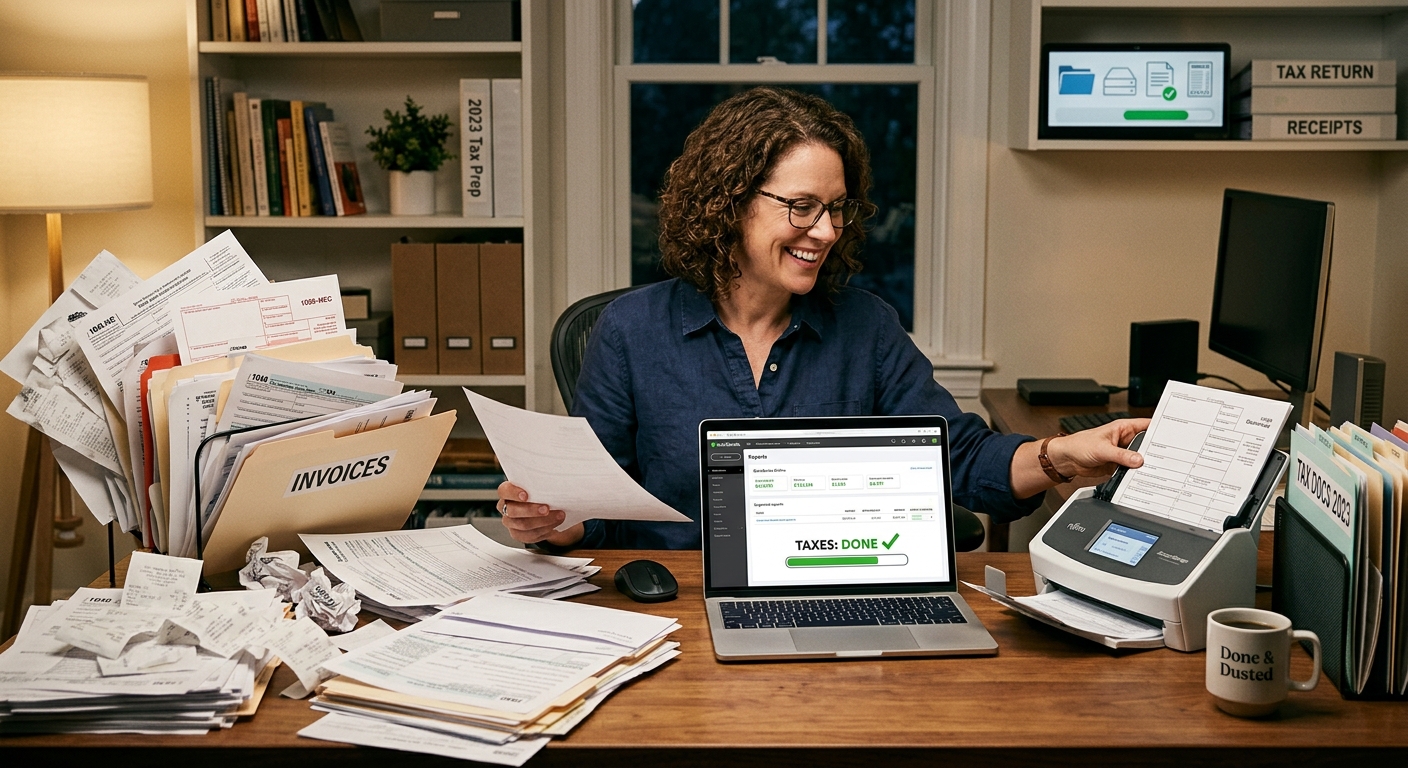
Picture this: It’s January and rather than drowning in shock over missing receipts or late 1099s, you already know exactly where every document lives and precisely what your tax outcome will be. The panic most business owners accept as ‘normal’ each tax season is, in reality, entirely optional.
Quick Answer
If you want a panic-free tax season, the key is early organization. Close your books before January, digitize all tax documents, review estimated payments before year-end, leverage credits, and consult a pro before deadlines hit. This approach often saves thousands in taxes, stress, and penalties, while setting up your business for year-round growth.
Cut the Chaos: Early Book Closure as Your Secret Tax Weapon
Here’s the ugly truth: Waiting until February or March to ‘start’ bookkeeping is the #1 reason small businesses overpay on taxes—by an estimated $4,300 per filer, according to recent IRS data. The proactive move? Treat year-end like prepping your house for a VIP guest. Shut your books down as soon as December closes. That means reconciling every account—checking, credit cards, PayPal, Venmo—no matter how small.
- Reconcile all accounts—don’t let small platforms (Cash App, Zelle) slip through.
- Sort every expense: assign clear categories. Ditch the ‘miscellaneous’ box for good.
- Address overdue invoices and match every deposit—don’t hope the IRS isn’t looking.
Example: Lydia runs a consulting firm. She used to spend all February ‘catching up’—and missing $2,100 in deductions per year. In 2025, she reconciled her books on January 2, emailed her Profit & Loss to her CPA, and discovered $3,300 in last-minute write-offs, all because she didn’t procrastinate.
How Do I Close Books Properly?
- Use reconciliation tools: QuickBooks, Xero, and even free apps like Wave sync with bank data to catch missing payments and double-charged expenses
- Double-check third-party platforms—especially if you collect payments through apps instead of your main bank account
- Mark closed books in your calendar—and treat the self-imposed deadline as non-negotiable
Digital Document Domination: End the Paper-Chase for Good
The IRS doesn’t care if you lost that paper receipt—they want documentation. Fail to produce docs on audit, and every missing record is lost deductions. The antidote? Set up digital document folders (cloud storage or secure drive) for:
- 2025 Income (1099s, gross sales, etc.)
- 2025 Expenses (utilities, supplies, software, travel)
- Payroll (if you have staff or pay yourself via S Corp)
- Federal/State tax forms (W2s, 1099s, W9s)
Scan every document the day it arrives—or use your phone. Email receipts to your dedicated “[email protected]” inbox for quick access. Store ALL digital docs for at least 3 years (some states require 7).
Dollar impact: Clients who embrace digital doc prep spend 70% less time searching at tax time and cut ‘missed’ deductions by $2,000–$5,000 annually.
Can I Deduct Expenses Without Receipts?
Yes—if you have reliable third-party documentation like credit card statements, but you risk losing deductions under audit. Safe rule: No receipt, no deduction. Some categories (like meals <10% of income) have higher IRS scrutiny.
💡 Pro Tip: Setup document folders labeled with your major Schedule C categories—makes CPA review 2x faster and flags missing paperwork before it’s a crisis.
Estimated Taxes: Your Time-Sensitive Shield Against Penalties
The tax calendar isn’t just for April 15. Business owners who ignore estimated tax deadlines risk hefty penalties—often 5-7% of what they owe. The fix: Check your estimated tax payments before year-end, especially if profits surged or you skipped a quarter.
Make a catch-up estimated payment by January 15th for the 2025 tax year to sidestep underpayment charges. For high-earning consultants, this alone saves $1,100–$4,800 in penalties—per year.
- Review last year’s income and this year’s P&L.
- Ask your CPA or use an IRS calculator to determine the right payment.
- File Form 1040-ES with payment by the January 15 deadline.
IRS – About Form 1040-ES
What If I Miss the Estimated Tax Payment?
You can still pay ASAP to minimize penalties, but late payments accrue daily. Document all attempts and consult your strategist for next steps.
Unlocking Tax Credits: Source Thousands in Legal Savings
Credits directly reduce your tax bill—often dollar-for-dollar. Yet, 44% of small business owners miss out because they assume credits “don’t apply” to them. Here are three every entrepreneur should evaluate annually:
- R&D Tax Credit: Available to businesses improving products, processes, or technology. Example: Software firm recoups $8,100 for qualifying payroll and product spend.
- Work Opportunity Tax Credit: For hiring certain groups facing employment barriers. Example: Retail shop saves $2,400 per qualifying new hire.
- Paid Family Leave Credit: If you offered paid leave, you could be eligible; consult IRS Form 8994.
Have a checklist call with your tax strategist before December’s end—even a 15-minute review uncovers missed credits and keeps setup on track for next year.
How Do I Know If I Qualify for These Credits?
If you pay W2 wages, spend on product development, or expanded staff, you likely qualify. Ask for a credit review with your CPA or strategist; use the IRS interactive tool.
IRS – Business Tax Credits
Business Structure: Is Yours Still Saving You as Much as it Could?
Business income or ownership changes could mean your LLC, S Corp, or sole proprietor status no longer delivers optimal savings. An annual check-in prevents expensive mistakes. According to the IRS, switching from sole proprietor to S Corp can lower self-employment taxes by thousands. Mistake: Staying in the wrong structure often costs $5,000–$12,000+ per year.
Don’t guess—get your strategist’s opinion and run the numbers before the year ends. Catch fixable red flags (underpaying officer’s salary in S Corp, for example) when there’s still time to adjust payroll or issue a late S election.
What’s the IRS Looking For in Business Returns?
The Service loves ‘red flag’ categories: high meals/entertainment, big cash payments, or spikes in new deductions. Transparent, orderly books and documented payrolls are audit armor.
Red Flag Alert: Common Traps That Spark IRS Scrutiny
Most small business audits and penalty letters originate from sloppy records and missed estimated tax deadlines. Here’s what triggers red flags (and how to neutralize each one):
- ‘Miscellaneous’ expense categories over $500
- Untraceable cash deposits
- Missing 1099s or W9s (shut down contractors who won’t provide paperwork)
- Overreported business meals (over 10% of total deductions draws scrutiny)
Solution: Categorize tightly, document every deposit, keep up with 1099 filings, and always double-check high-risk deduction areas before year-end close.
Will These Steps Actually Reduce Audit Risk?
Yes. IRS auditors are trained to look for chaos—organized, digital, reconciled returns get passed over for high-risk profiles. You don’t get extra points for ‘effort’—you get peace of mind for completeness.
Your Tax Strategy Timeline: When to Act for 2025
Set a calendar event for each step:
- By December 31: Reconcile ALL 2025 accounts, digitize receipts, update W9/1099 files, schedule a strategy session with a tax pro.
- By January 15: Pay any last estimated taxes for 2025 using Form 1040-ES
- By February 28: Finalize 1099 filings and confirm all payroll documents with your CPA
Staying on this proactive schedule makes tax season a breeze—and can save you over $10,000 annually in missed deductions, lost credits, and penalties avoided.
Ready to Reduce Your Tax Bill?
KDA Inc. specializes in strategic tax planning for business owners, S Corps, LLCs, and high-net-worth individuals. Book a personalized consultation and walk away with a clear plan.
FAQ: Navigating Panic-Free Tax Season
What if I Can’t Get My Accountant to Respond?
Escalate early—don’t wait until March. If your CPA is non-responsive in December, consider lining up a backup or engaging a tax strategist who prioritizes proactive planning, like the KDA team.
Is This Advice Relevant for California Businesses?
Yes, but always cross-reference California Franchise Tax Board deadlines for filings such as Forms 568, 3522, and more. Some states set stricter doc retention policies (check the FTB LLC filing guide).
Book Your Panic-Free Tax Season Strategy Session
If you’re ready to wipe out tax stress and keep your business profits where they belong—in your bank account—schedule your 1:1 session with a real strategist, not just a tax preparer. Unlock savings, plug your biggest leaks, and transform anxiety into confidence in just one call. Book your session now.
The IRS isn’t hiding these write-offs—you just weren’t taught how to find them.
- Save $5K+/yr by closing your books early and digitizing receipts.
- Quarterly estimate reviews keep you penalty-free and audit-resistant.
- Every hour saved in chaos prevention adds back to your business growth.
See our Business Expense Blueprint | Our Full Suite of Services | Entity Structuring Explained | Audit Defense Strategies


